
New reports on water company performance have prompted the Environment Secretary to promise tougher action on pollution, while separate figures show little progress on reducing water demand and leakage in England.
On 29 October, four regulators—the Environment Agency, Natural Resources Wales, the Drinking Water Inspectorate and Ofwat—published their first joint overview of water industry performance. It brings together evidence on drinking water, environmental performance and customer service across England and Wales. The regulators recorded 2,991 pollution incidents in 2025, including 84 classed as serious.
In response, Environment Secretary Dame Angela Eagle said ministers would visit sites affected by the most serious incidents and seek answers from underperforming companies. She also said she would examine options to strengthen restrictions on executive bonuses. Those further restrictions are proposals, not rules already in force. Existing rules already block bonuses in specified cases of poor performance. The government expects to set out more detail in the coming weeks. Read the Defra announcement.
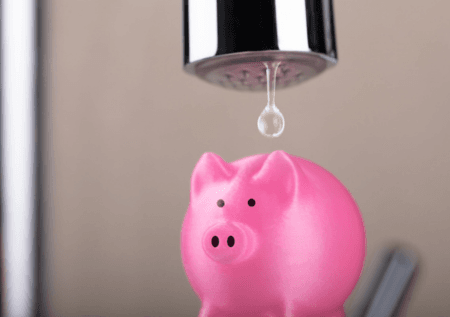
The same day, the Environment Agency published its annual assessment of water resources in England. For 2025–26, average household consumption was 136.9 litres per person per day, broadly unchanged from 136.5 litres the previous year. Leakage was also virtually unchanged at 2,621 million litres a day, against the 2,441 million litres a day companies had forecast. Smart water meters reached almost 20% of homes, but the agency says metering must be accompanied by practical water-efficiency support and action to reduce waste.
For the bathroom sector, the figures underline why water efficiency remains a practical priority. Manufacturers, retailers and installers can help households use less water through well-designed products, accurate information and appropriate specification. But the evidence also makes clear that household action is only part of the answer: water companies must reduce losses from their own networks and deliver the improvements in their plans.
The joint report and the government’s response bring those responsibilities into sharper public view. Bathroom businesses should watch for the promised detail on executive accountability and, more directly for the sector, whether water companies’ demand-reduction programmes create clearer opportunities to support customers with efficient bathroom products and installations.